The short version
What to know
- Involve the horse's veterinarian when the visit relates to an injury, disease, lameness, or rehabilitation plan.
- Share the barn location, requested area, timing, and handling considerations before scheduling.
- This guide does not claim to treat laminitis, tendon injury, arthritis, swelling, or performance problems.
Start with the veterinarian when health is involved
Cold-related equine research is highly specific to the method, body area, duration, and condition. Evidence involving continuous distal-limb ice-water cooling does not establish what a brief localized mobile device will do. When a request involves lameness, injury, disease, rehabilitation, or return to work, the horse's veterinarian should direct the medical plan.
Send the practical details
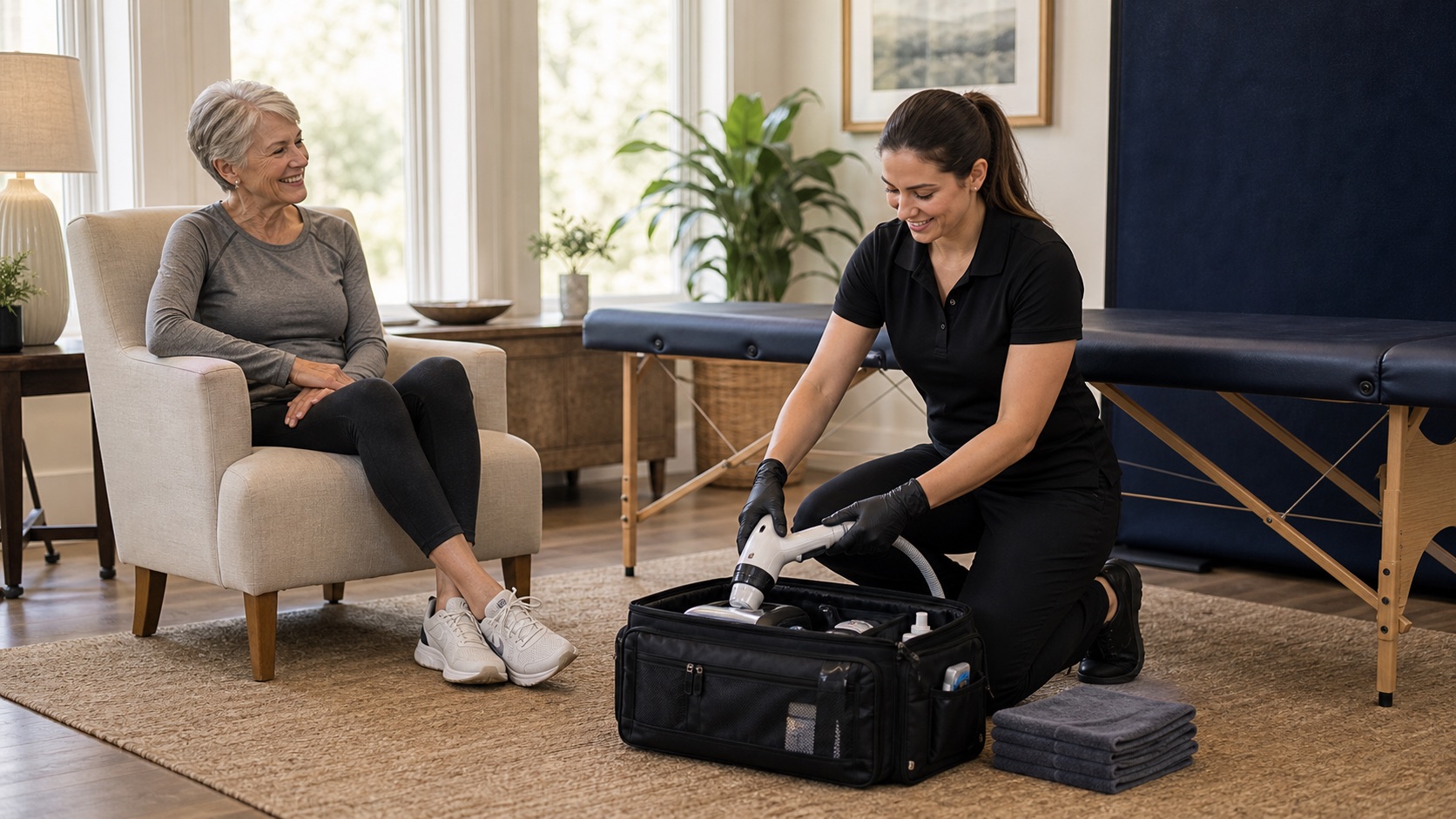
Include the barn address, preferred date, the area you want to discuss, who will handle the horse, and whether a veterinarian has provided instructions. Dan can confirm the service options, travel feasibility, price, and site requirements before the visit.
Create a calm, workable setup
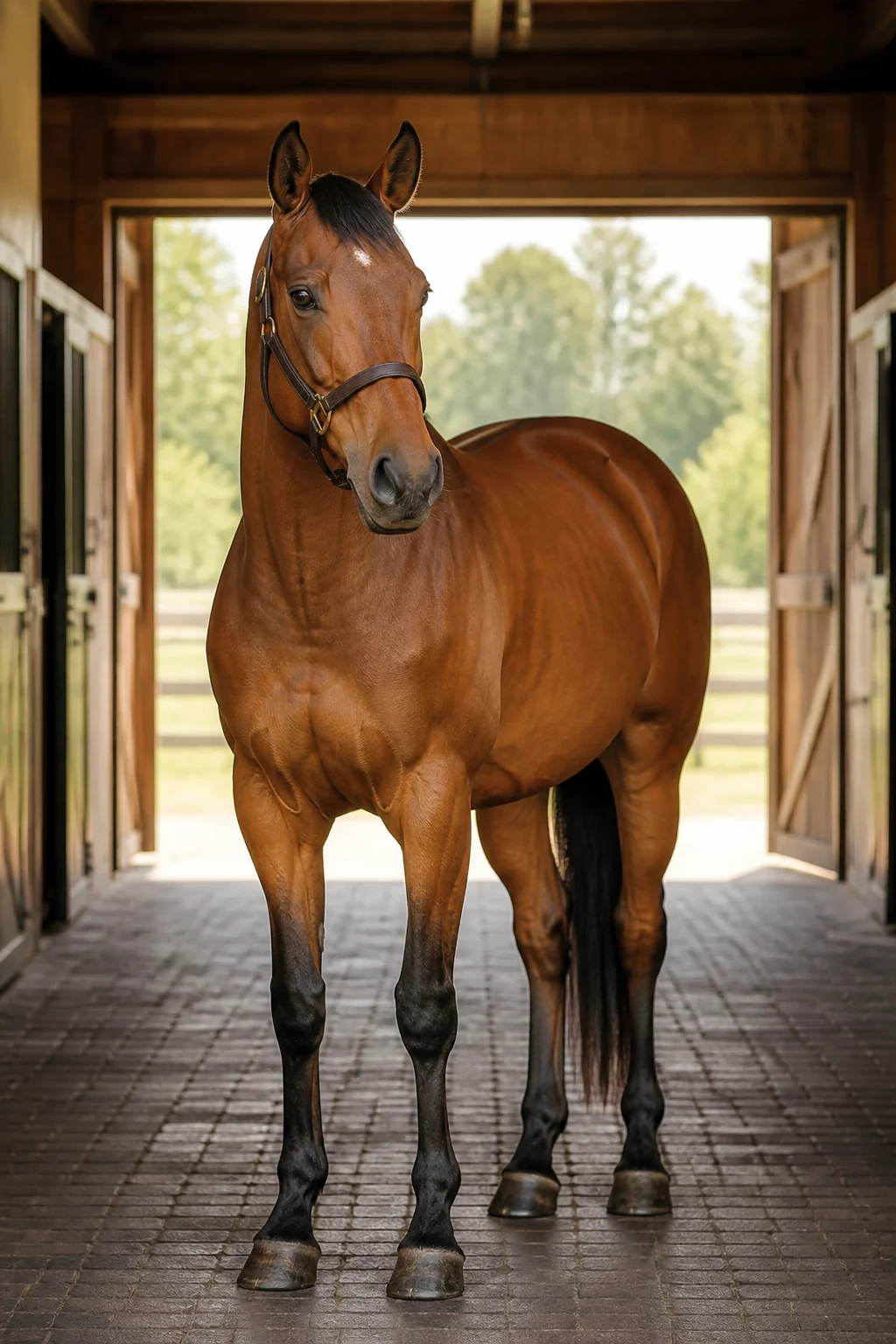
A suitable appointment depends on safe access, appropriate restraint and handling, the horse's behavior, and a location where equipment can be used without creating avoidable risk. Do not assume that a human appointment workflow transfers to a horse.
Keep roles clear
Mobile Cryo Pro should not diagnose the horse, prescribe a medical treatment, change medication, or decide when the horse can return to training. The veterinarian's instructions come first, and a session should stop if the horse becomes distressed or the setup is not safe.
Ask for specifics before scheduling
Confirm the exact equipment, selected area, session plan, price, veterinarian involvement, stop procedure, and who is responsible for handling the horse. Clear expectations protect the horse, owner, veterinarian, and provider.
Sources & context
Where this guide comes from
This guide uses Mobile Cryo Pro service information. Confirm appointment details before booking.