The short version
What to know
- Localized exposure targets a smaller area; whole-body exposure cools most of the body in a chamber.
- Temperature and physiological responses differ across modalities.
- Whole-body studies do not validate localized service claims.
The defining difference is exposure
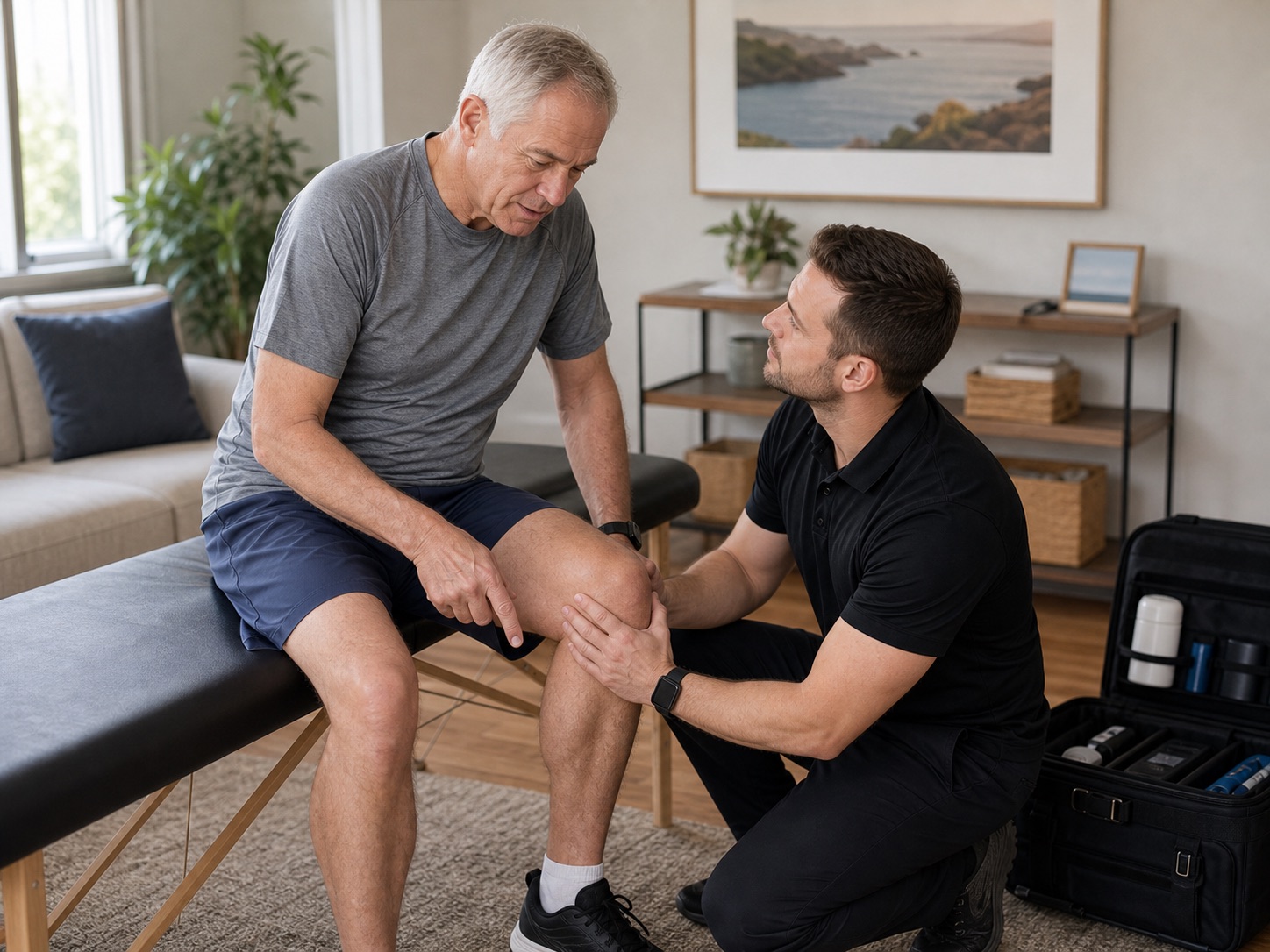
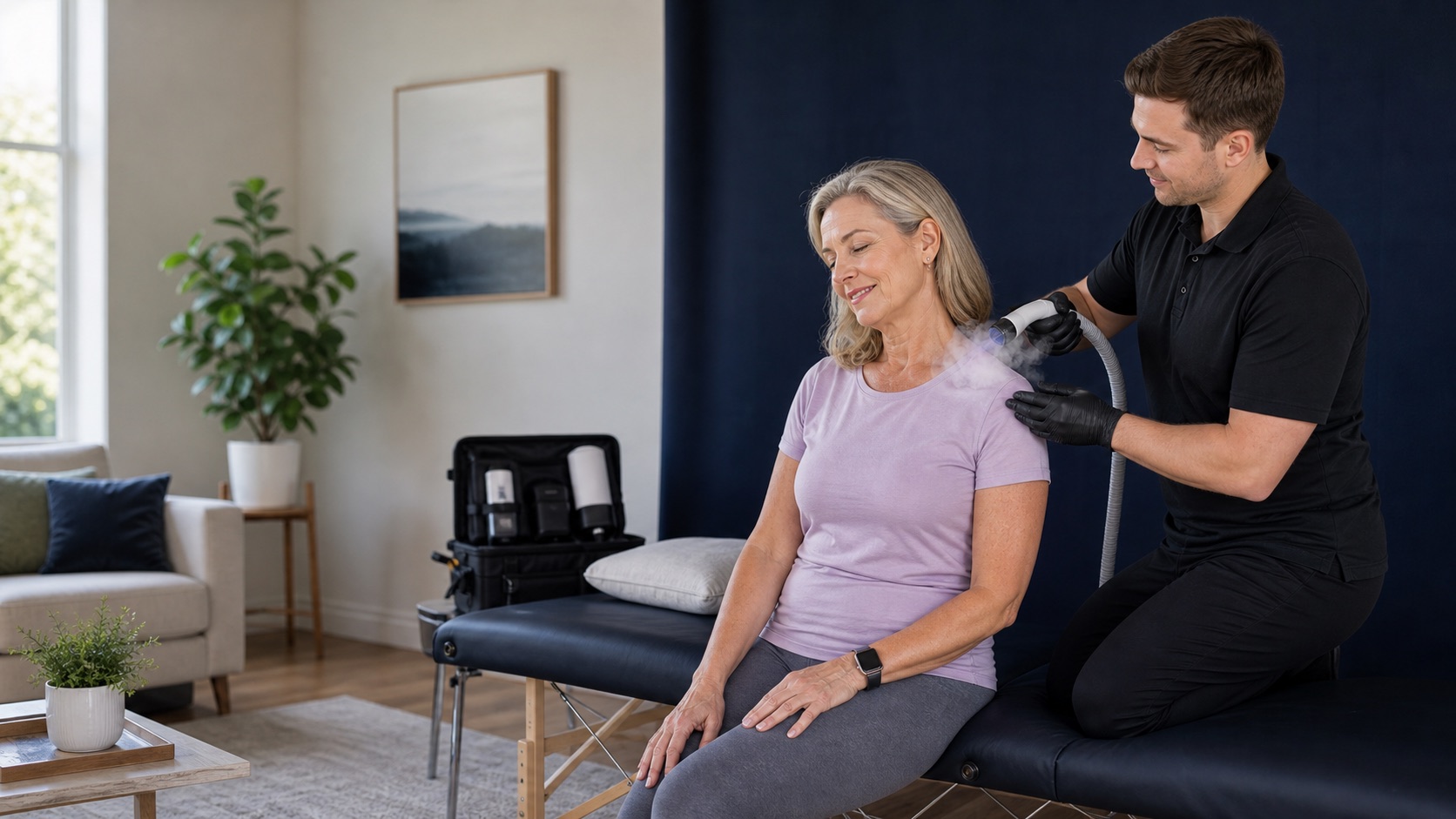
Localized cryotherapy applies cold to a selected body area. Whole-body cryotherapy places most of the body in a chamber of very cold, dry air for a short period. That difference changes the surface area exposed, the temperature profile, the safety environment, and the questions a study can answer.
Temperature responses are not interchangeable
Research comparing whole-body cryotherapy with cold-water immersion shows different skin, muscle, and core-temperature responses.1 More broadly, reviews emphasize that cooling method, dose, timing, and body area shape the physiological response.2 The same caution applies even more strongly when comparing a whole-body chamber to an unspecified localized device.
Whole-body recovery evidence is uncertain
A Cochrane review located only four small eligible whole-body trials involving 64 participants, mostly young men, and rated the evidence very low quality. It concluded that evidence was insufficient to support whole-body cryotherapy for preventing or treating muscle soreness after exercise.3 In a marathon study, whole-body cryotherapy was not superior to cold-water immersion and expectancy effects may have influenced perceived recovery.4
What this means for localized providers
A localized provider cannot cite chamber studies as direct proof of better recovery, lower inflammation, or improved performance. Localized claims need studies that match the device, treatment area, dose, population, and meaningful outcome. Mechanistic research can explain possibilities, but should be labeled indirect.
Operational and safety questions differ
| Dimension | Localized | Whole-body |
|---|---|---|
| Area | Selected body region | Most of the body |
| Systemic exposure | Usually lower, but device-dependent | Central to the procedure |
| Evidence needed | Exact local device, area, protocol, and outcome | Exact chamber protocol, population, and outcome |
| Safety review | Skin, sensation, circulation, local anatomy, device use | Whole-body exposure plus chamber-specific operational risks |
Bottom line
“Cryotherapy” is too broad to function as evidence. Name the method first, then ask whether the research actually matches it. Choose a provider based on accurate service information rather than outcomes borrowed from a different form of cold exposure.
Sources & context
Where this guide comes from
- Costello et al. (2012), temperature responses to whole-body cryotherapy and cold-water immersion (opens in a new tab)Source 1
- Allan et al. (2022), overview of cooling modalities and recovery (opens in a new tab)Source 2
- Costello et al. (2015), Cochrane review of whole-body cryotherapy (opens in a new tab)Source 3
- Wilson et al. (2018), whole-body cryotherapy vs cold-water immersion after a marathon (opens in a new tab)Source 4
The cited research may involve different cooling methods, populations, and protocols. The surrounding text explains what each source can—and cannot—support.